
Seatweaving Options
Cil has over 35-years of experience in the art of seat weaving. Cil has had the privilege of restoring many family treasures, using a wide range of weaving materials and techniques used in hand cane, pressed cane, Danish cord, round reed, porch cane, fibre, and natural rush.
Cil owned and operated an antique finishing shop in Stayner, Ontario for 7 years. In England, in the mid 80’s she continued the antique business where she subsequently learned the craft of seat weaving. Since 1992 Cil continues to enjoy her passion.
Hand Caning
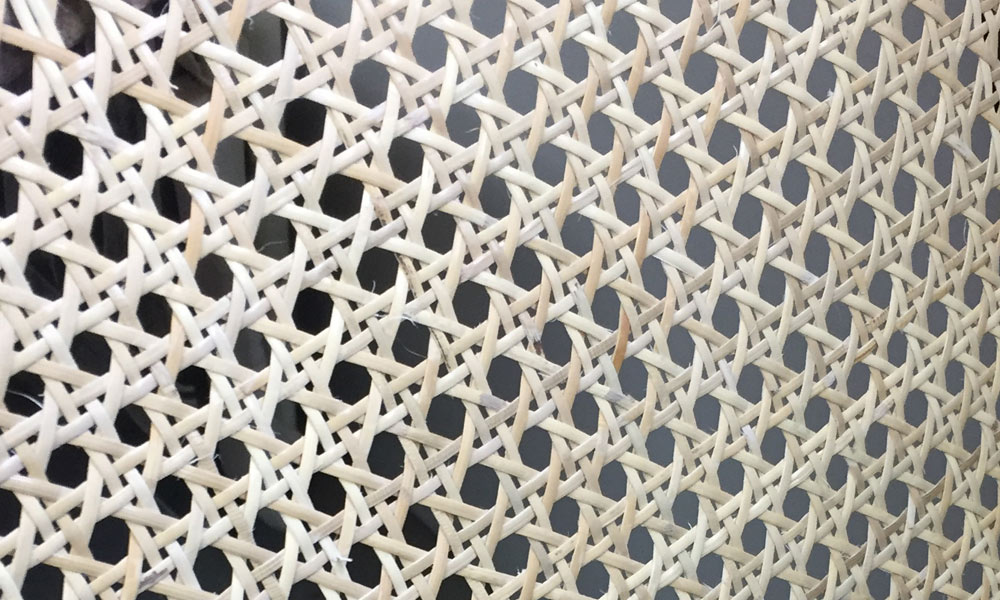
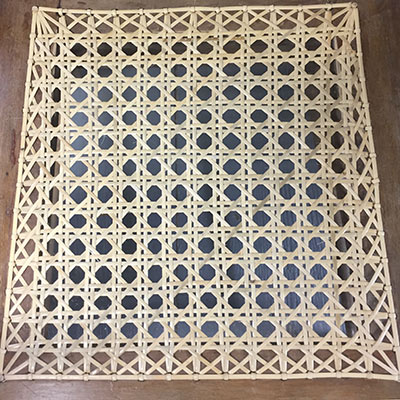
Individual strands of cane are hand woven into drilled holes around the perimeter of the wood frame to achieve this octagon pattern. This is a 7 step process, including the border. There are other techniques, blind, double French and medallion.
Pressed Cane
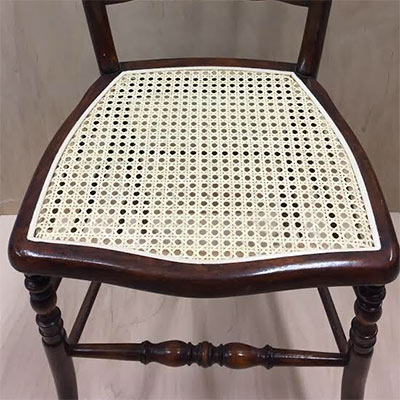
This is a manufactured, pre woven material. A measured piece is set into the routered groove around the perimeter of the wood frame. It is finished off by a length of spline, glued and tapped into groove, this secures the cane. Several patterns are available.
Danish Cord
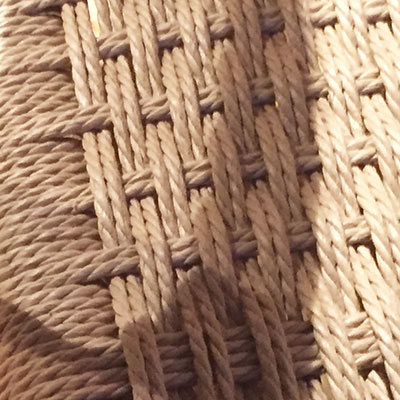
Danish cord refers to the material used to produce this pattern. It is a pretwisted, 3 ply paper. Typically found on Danish modern furniture.
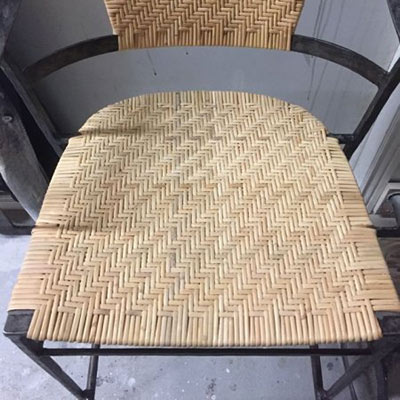
Porch Cane
Wide binding cane is used in this technique, 4-5 mm, and is wrapped, by hand, around the rungs of the seat. There are a few choices in the pattern, but the herringbone is the pattern of choice.
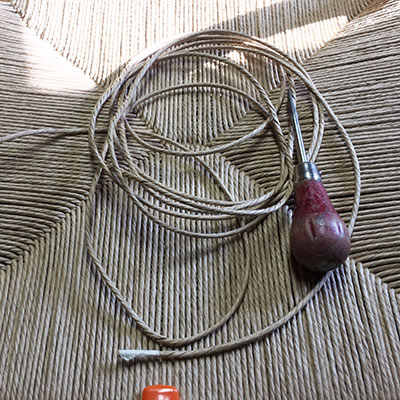
Fibre Rush
This is twisted kraft paper, 1 ply. It is widely used as a substitute for natural rush at a more reasonable cost.
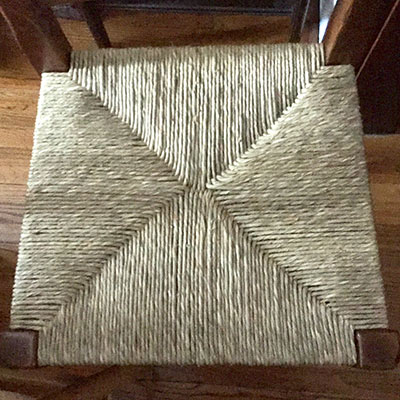
Natural Rush
Pre twisted bulrush or sea grass material is used to attain this look.
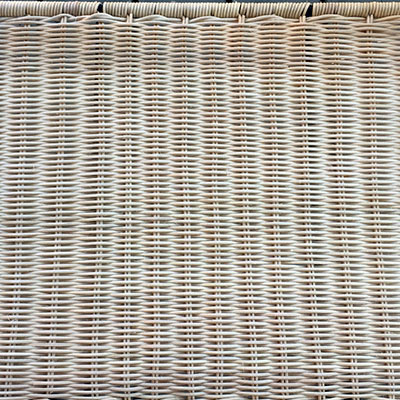
Round Reed
Round Reed is machine made from the core of rattan and is used extensively for basket weaving, repairing wicker and reed furniture and it comes in various sizes.
Awesomewood
Toronto, ON
Monday-Friday: 10am – 4pm
By Appointment Only (No Walk-ins)
Call or Text: 416-291-3178
Email: cilsweaving@gmail.com